Safe Seats: How to Avoid Ticket Scams for World Cup 2026
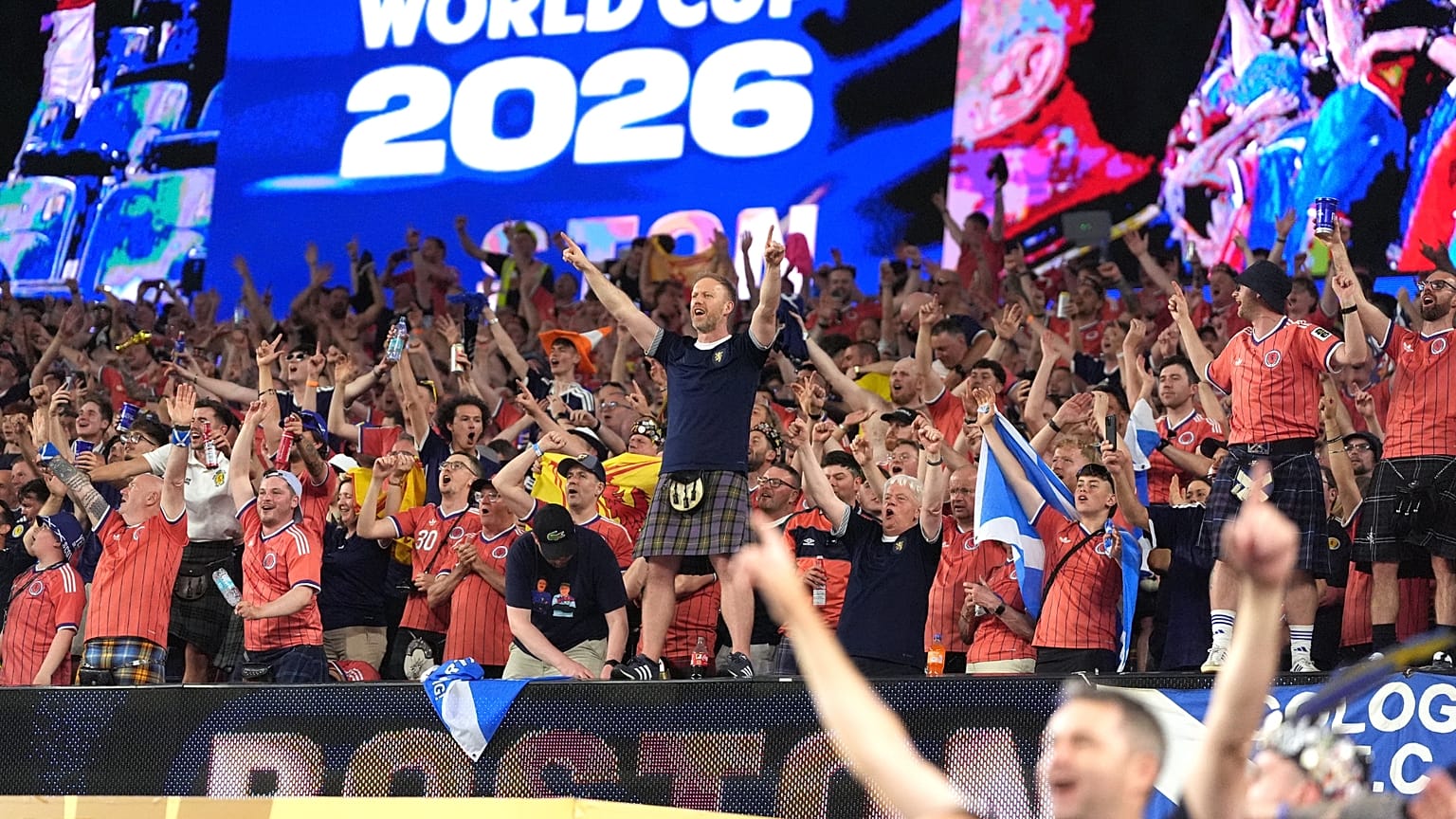
The 2026 FIFA World Cup is the biggest sporting event in a generation. With matches spread across the United States, Mexico, and Canada, demand for tickets is through the roof. Unfortunately, that demand has created a perfect storm for scammers. Fake listings, counterfeit tickets, and shady resellers are everywhere, and thousands of fans will lose money if they aren't careful.
Here's how to protect yourself and make sure you actually get through the gates on match day.
Use a Trusted Ticket Marketplace
The single best thing you can do is buy from a platform that holds funds in escrow until the ticket transfer is confirmed. This is exactly what SafeSeats (safeseats.com) does. When you purchase a ticket on SafeSeats, your payment is held securely by a third-party escrow provider. The seller doesn't get paid until you confirm that the ticket has been successfully transferred to your account. If the transfer never happens, you get your money back automatically.
This removes the biggest risk in any peer-to-peer ticket transaction: paying someone and hoping they follow through. With escrow protection, hope isn't part of the equation.
SafeSeats also verifies sellers on the platform, tracks their transaction history, and flags accounts with repeated cancellations. You can see a seller's completed sales and ratings before you commit to buying. It's the safest way to buy resale tickets for the World Cup.
Verify Resellers on Social Media
If you're browsing Facebook groups, Reddit threads, or X (Twitter) posts looking for tickets, proceed with extreme caution. Social media is where most scams happen because there's no built-in buyer protection.
Before sending anyone money through a social media listing:
- Check the seller's account age. Scammers often create new accounts days before a big event. If the profile was made recently and has no history, walk away.
- Look for mutual connections. If you're in a Facebook group, check whether the seller has friends in common with other group members. Real fans tend to have real networks.
- Ask for proof. Request a screenshot of the ticket in their FIFA or Ticketmaster account showing the barcode, seat assignment, and the seller's name. Then do a reverse image search on that screenshot. Scammers frequently reuse the same images across multiple listings.
- Never pay with Zelle, Venmo, Cash App, or wire transfer. These payment methods have virtually zero buyer protection. Once the money is sent, it's gone. If a seller insists on one of these methods and refuses to use a platform with escrow, that tells you everything you need to know.
Know the Red Flags
Certain patterns show up in nearly every ticket scam. Learn to spot them:
- The price is too good to be true. If someone is selling a USA vs. Mexico group stage ticket for $50 when comparable seats are going for $400 everywhere else, it's almost certainly a scam. Scammers price low to create urgency and get you to act before thinking.
- The seller pressures you to pay immediately. Lines like "I have five other people interested" or "this deal expires in an hour" are textbook pressure tactics. Legitimate sellers will give you reasonable time to verify the listing.
- They can't provide a mobile transfer. Modern event tickets are digital and tied to an account. If a seller offers to email you a PDF or send a screenshot of a barcode, that ticket is either fake or has already been duplicated and sold to multiple people. A real ticket transfer happens through the official ticketing app.
- They ask you to communicate off-platform. If you find a listing on a marketplace and the seller immediately asks you to move the conversation to WhatsApp or Telegram, that's a red flag. They're trying to avoid the platform's fraud detection and buyer protection systems.
Protect Yourself on Match Day
Even if you've done everything right, take one final precaution. Before you travel to the stadium, open your ticketing app and confirm that the ticket is in your account, that the barcode loads, and that the event details are correct. Don't wait until you're standing in line at the gate to discover a problem.
If you bought through SafeSeats, you'll have already confirmed the transfer before the seller received payment, so you're covered. But if you bought through any other channel, this last check is essential.
The Bottom Line
The World Cup only comes around every four years, and in 2026 it's happening in our backyard. Don't let a scammer ruin the experience. Buy through a platform like SafeSeats that protects your money with escrow, verify any private seller thoroughly before paying, and never send money through unprotected payment methods.
A few minutes of caution now can save you hundreds of dollars and a lot of heartbreak later.
Stay safe out there, and enjoy the matches.